The Parliament sessions conclude today amid a severe political standoff between the ruling and opposition parties, leading to the passage of several bills without adequate discussion.
Trinet News | 12 August 2026
By Peri Nageswara Rao
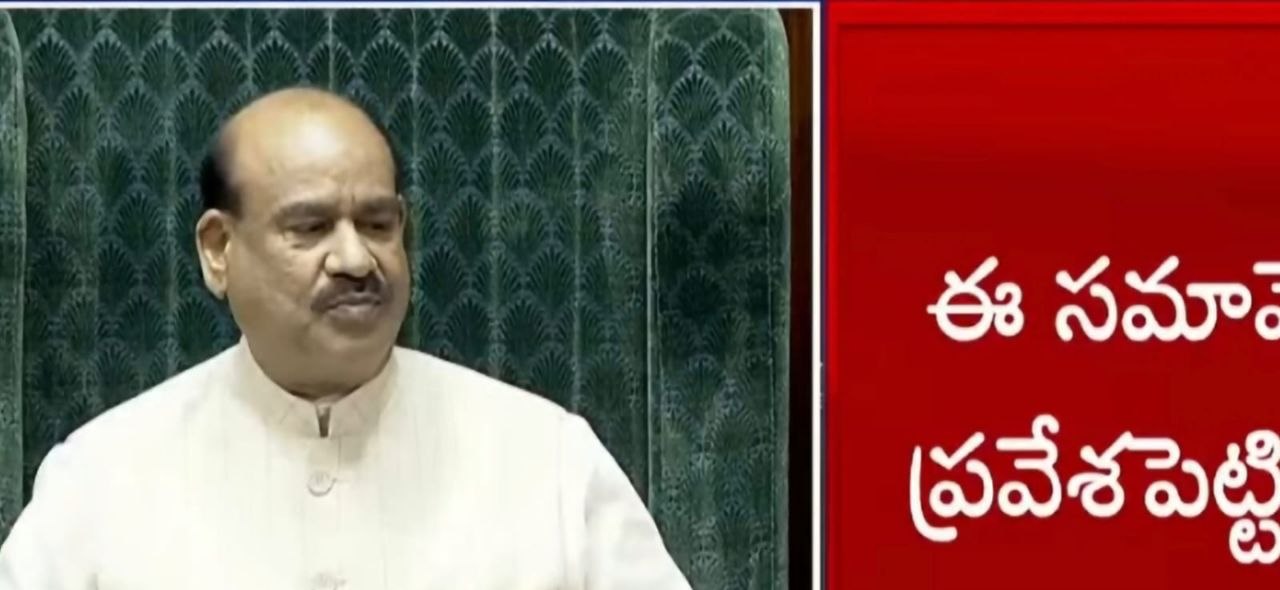
The Parliament sessions, which are extremely crucial for the country's democracy, are coming to an end today. However, it has become a subject of discussion that these sessions did not proceed as smoothly as expected, with intense political deadlock prevailing between the ruling party and the opposition. Amid protests, slogans, and adjournments in the house, the government moved forward with its legislative agenda. Comprehensive discussion on bills in Parliament is a vital process in a democratic system. However, criticisms have emerged that some important bills in these sessions were passed without adequate discussion. Recent reports indicate that several bills, particularly in the Lok Sabha, were passed amidst protests by opposition members without being debated.
Discussion on the Passage of Bills
Parliament is not merely about introducing bills and passing them based on numerical strength. Representatives need to discuss how a bill will impact the lives of the country's citizens, who will benefit, what potential losses there might be, and what the implementation mechanism is. Just as it is important for the government to defend its bills, it is equally important for the opposition to question their flaws. Having the arguments of both sides on the parliamentary record allows citizens to understand the implementation of laws in the future. However, the fact that some bills were passed without discussion or with minimal discussion during periods of ongoing protests in the house has become a matter of concern from a democratic perspective.
The Ruling Party's Argument
From the government's perspective, the argument is that the continuous disruption of parliamentary proceedings by the opposition leads to delays in important legislative work. The ruling party states that it bears the responsibility of passing laws necessary for the country's governance. Despite opposition protests, the government believes it cannot hold back necessary bills meant for the people. Ruling circles maintain that the government also desires smooth functioning of the house and discussions on public issues.
Objections from the Opposition
On the other hand, opposition parties criticize that passing crucial bills without discussion is not a proper procedure. The opposition demands opportunities to express their views on bills and that they be referred to parliamentary committees. Representatives come to Parliament to ask questions on behalf of their constituents, hold the government accountable, and suggest improvements to laws. The opposition argues that if bills are passed without such opportunities, the value of parliamentary debate diminishes.
Who is Responsible for the Parliamentary Impasse?
This remains the primary question. Is the government responsible for the house not running smoothly, or are the opposition's protests to blame? Both sides are blaming each other. The government accuses the opposition of disrupting the house, while the opposition alleges that the government is not ready for discussion. In a democracy, while the government has the responsibility to pass bills, the opposition has the right to question them. The balance between the two is the strength of parliamentary democracy.
How Reasonable is It to Make Laws Without Discussion?
If a bill is passed without discussion, the public remains unaware of members' opinions on each of its provisions, and the opportunity to propose amendments decreases. If problems arise after the law comes into effect, amendments may be necessary to correct them. Therefore, discussion in Parliament is not a waste of time; it is a crucial part of the law-making process. It is natural for the government to have a majority in a democracy. However, a majority is not merely the power to count votes. A government can make a law with a majority, but it can make a good law only through discussion.
Where is the Priority for Public Issues?
Political disputes, allegations, and counter-allegations continue in Parliament. However, comprehensive discussions on issues faced by the country's citizens are also essential. People expect answers from their representatives on many subjects, such as jobs, rising prices, farmers' issues, education, healthcare, women's safety, the future of youth, economic conditions, and states' rights. Parliament sessions should serve not just as a platform to pass government bills, but as the supreme public forum to discuss the problems of the country's citizens.
Lessons to Learn from the Sessions
Developments from these sessions provide an important lesson for future parliamentary activities. Differences between the ruling party and the opposition are natural in a democracy. However, these differences should not reach a level where they completely paralyze parliamentary proceedings. The opposition must exercise its right to protest; at the same time, completely blocking discussions of public interest is also not reasonable. Furthermore, rather than hastily passing every bill based on numerical strength, the government should also lend an ear to the opposition's objections and make changes where necessary to lend greater credibility to laws.
As the Parliament sessions conclude today, the citizens of the country must ponder one thing: To whom does Parliament belong? Is it the government's? Is it the opposition's? No — it belongs to the people. Representatives elected by the people sit there and frame laws concerning the country's future. Therefore, comprehensive discussions must be held on every important bill. The ruling party must explain its decisions, the opposition must question constructively, and necessary amendments must be accepted.
In a democracy, victory is not about who passed the most bills. The real benchmark is how good the laws framed are, how much benefit they brought to the people, and how far the voices of people's representatives were heard. Even in upcoming sessions, the ruling party and the opposition must act with mutual respect and run the house smoothly. Political differences can continue outside, but inside Parliament, discussion, responsibility, and accountability must take precedence regarding the nation's interests.
Parliament must run... discussion must happen... the voice of the people must be heard... only then will democracy be strengthened.