
Over 2,150 defence structures built or proposed across the country
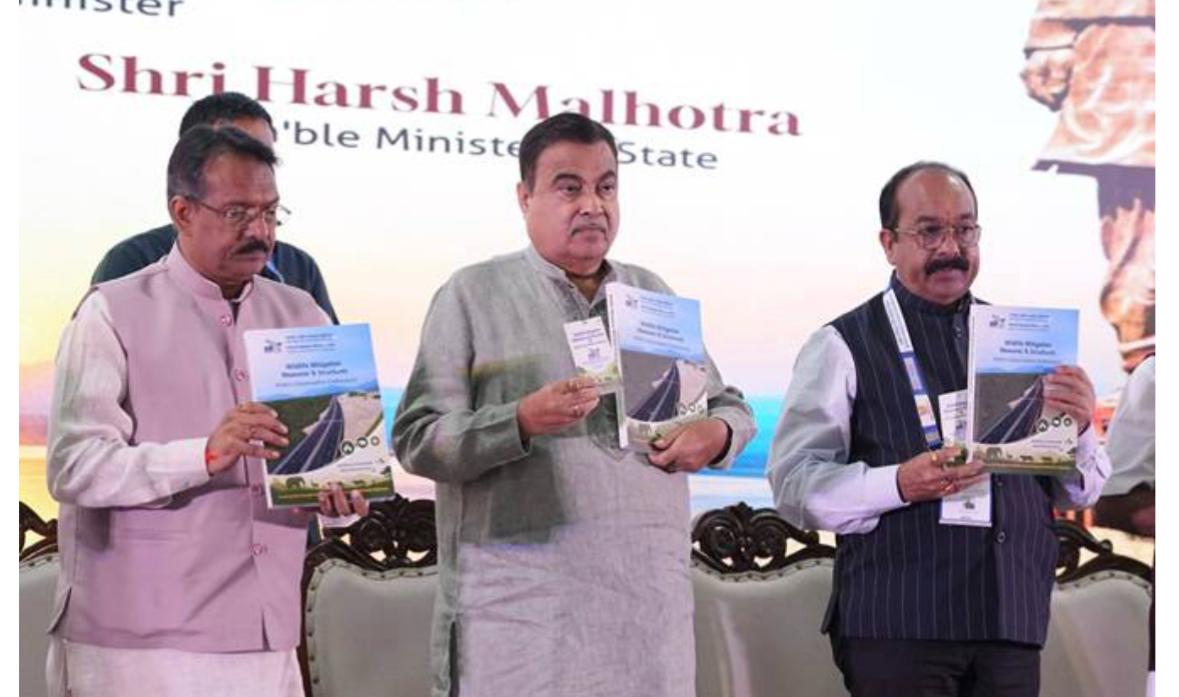
New Delhi, 8 October 2020: The National Highway Authority of India (NHAI) has released the Wildlife Mitigation Measures and Structures document highlighting the importance of wildlife conservation in national road development. The document, produced to commemorate National Wildlife Week held from 2nd to 8th October, was unveiled by Union Minister of Road Transport and Highways Nitin Gadkari at the recently inaugurated Chinthan Camp in Ekthanagar, Gujarat.
In the last five years, NHAI has invested around Rs 19,700 crore in infrastructure and environmental protection activities for national road projects. The main objective of these measures is to break down animal habitats due to roads, create obstacles to movement and reduce vehicle collision hazards.
The document reveals that over 2,150 wildlife protection structures have been built or proposed along national highways across the country, including animal underpasses and overpasses, animal paths connected to bridges, culverts adapted for wildlife migration and special routes for tree creatures.
It said that about Rs 4,600 crore has been invested in animal underpass, Rs 650 crore for overpasses, Rs 8,300 crore on high bridge routes, Rs 2,800 crore in tunnels, Rs 2,500 crore across large bridges and Rs 500 crore over small bridages.
The National Highway Authority (NHAI) has said that the safety measures are being developed taking into account environmental sensitivity, animal navigation patterns and technical feasibility of each road area. Along with construction activities such as warning boards, fences, speed control instructions, sound barriers, reptile routes and rainwater conservation.
To direct animals to the designated crossings and reduce vehicle collision hazards, over 300 km of national highways have been set up with guidance fences and sound barriers. Monitoring wildlife movements through camera traps is constantly evaluating the impact of conservation measures, identifying high-risk areas and setting up speed control and warning boards.
The document highlights the need to integrate wildlife conservation measures in road planning, design and implementation phases. NHAI is working towards a balance between transportation needs and biodiversity conservation through coordination with conservation professionals and road construction companies.