NEW DELHI, SEPTEMBER 24: India has once again reiterated its commitment to making quality healthcare accessible and affordable for all, sharing its ongoing initiatives to strengthen public health systems and combat key health challenges with the global community.
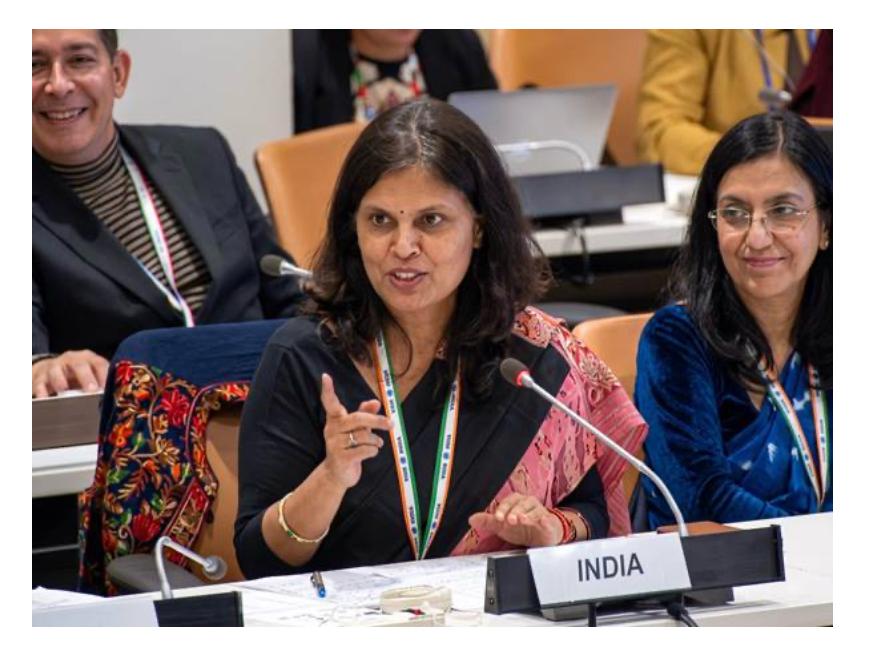
Speaking at two major international health events on the sidelines of the 81st United Nations General Assembly (UNGA-81) in New York, Union Health Secretary Punya Salila Srivastava highlighted India's experiences. Participating in the 7th Annual Ministerial Meeting of the Group of Friends of Universal Health Coverage and Global Health, she detailed India's efforts to strengthen healthcare systems ranging from comprehensive primary health care to secondary and tertiary medical services, ensuring protection against financial hardship caused by medical expenses.
She noted that over 1.8 lakh 'Ayushman Arogya Mandirs' established across the country are bringing a wide range of medical services closer to the people. These centers provide reproductive, maternal, and child health services, non-communicable disease diagnosis and management, mental health, elderly care, palliative care, disease prevention, health promotion, and treatment services, while continually prioritizing quality standards in primary care.
Srivastava stated that the government-funded health assurance scheme, 'Ayushman Bharat-Pradhan Mantri Jan Arogya Yojana' (AB-PMJAY), is strengthening financial protection for vulnerable and marginalized sections of society. She added that the 'Free Drugs and Diagnostics Service Initiative' and the 'Pradhan Mantri National Dialysis Programme' are playing a crucial role in reducing the financial burden of medical expenses on patients and making emergency health services more accessible.
She also emphasized the importance of a coordinated and continuous healthcare system, explaining that comprehensive primary care services provided through Ayushman Arogya Mandirs are integrated with secondary and tertiary medical services, supported by a robust referral mechanism for patients requiring higher-level care. The Union Health Secretary stated that the primary objective of India's comprehensive health policy is to bring disease prevention, health promotion, and treatment services closer to the people while ensuring timely access to specialized medical care.