From the era of kings to the management of TTD, an extraordinary evolution has taken place.
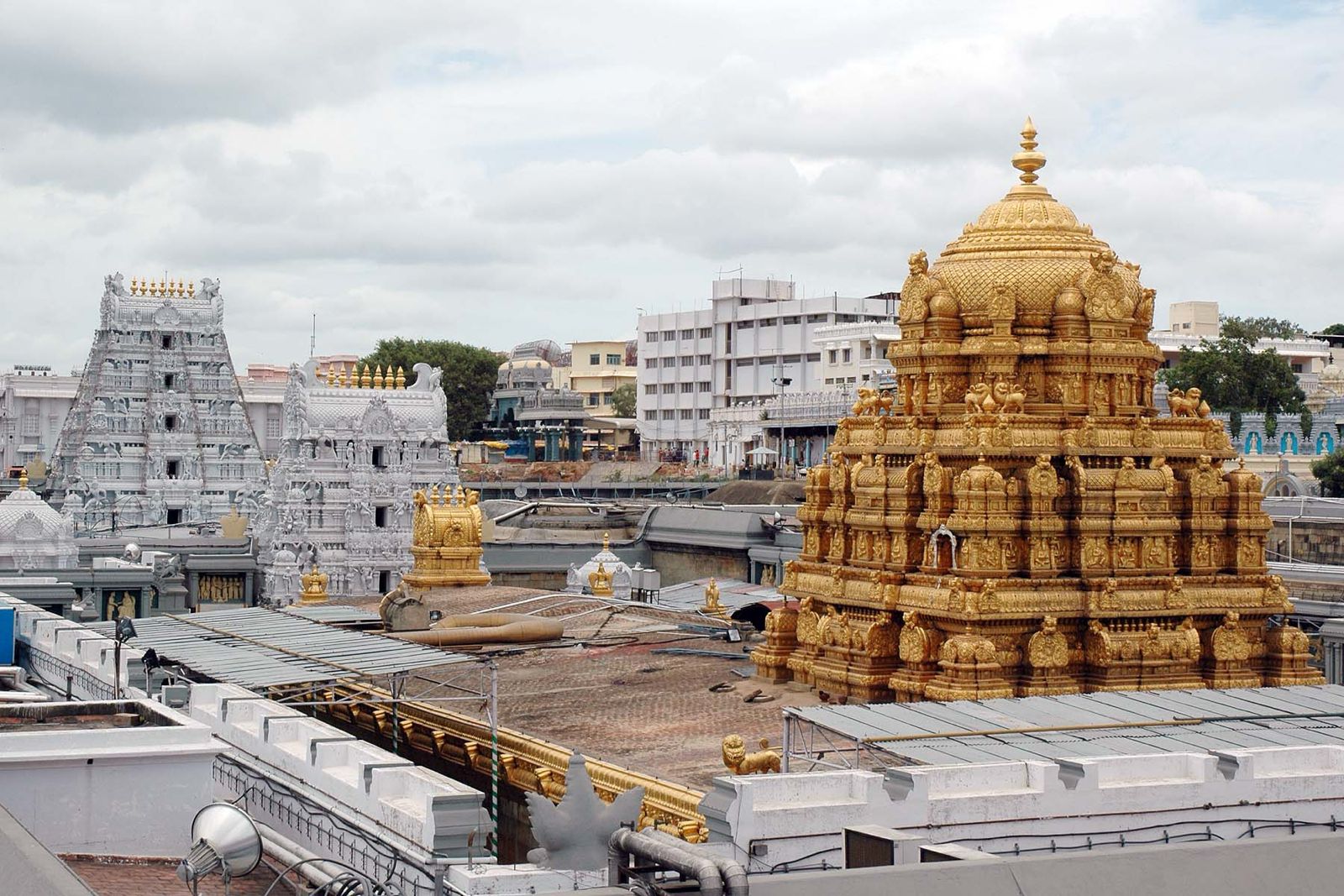
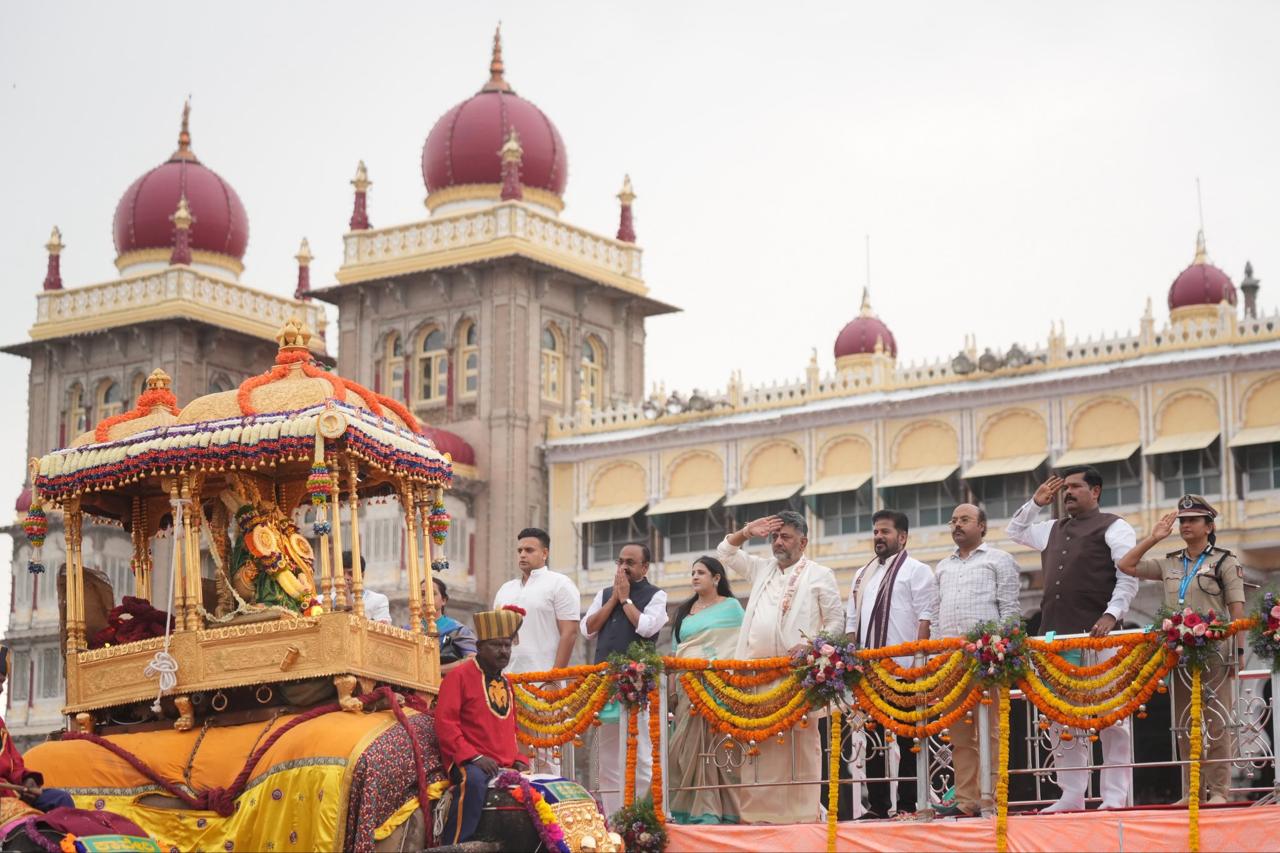
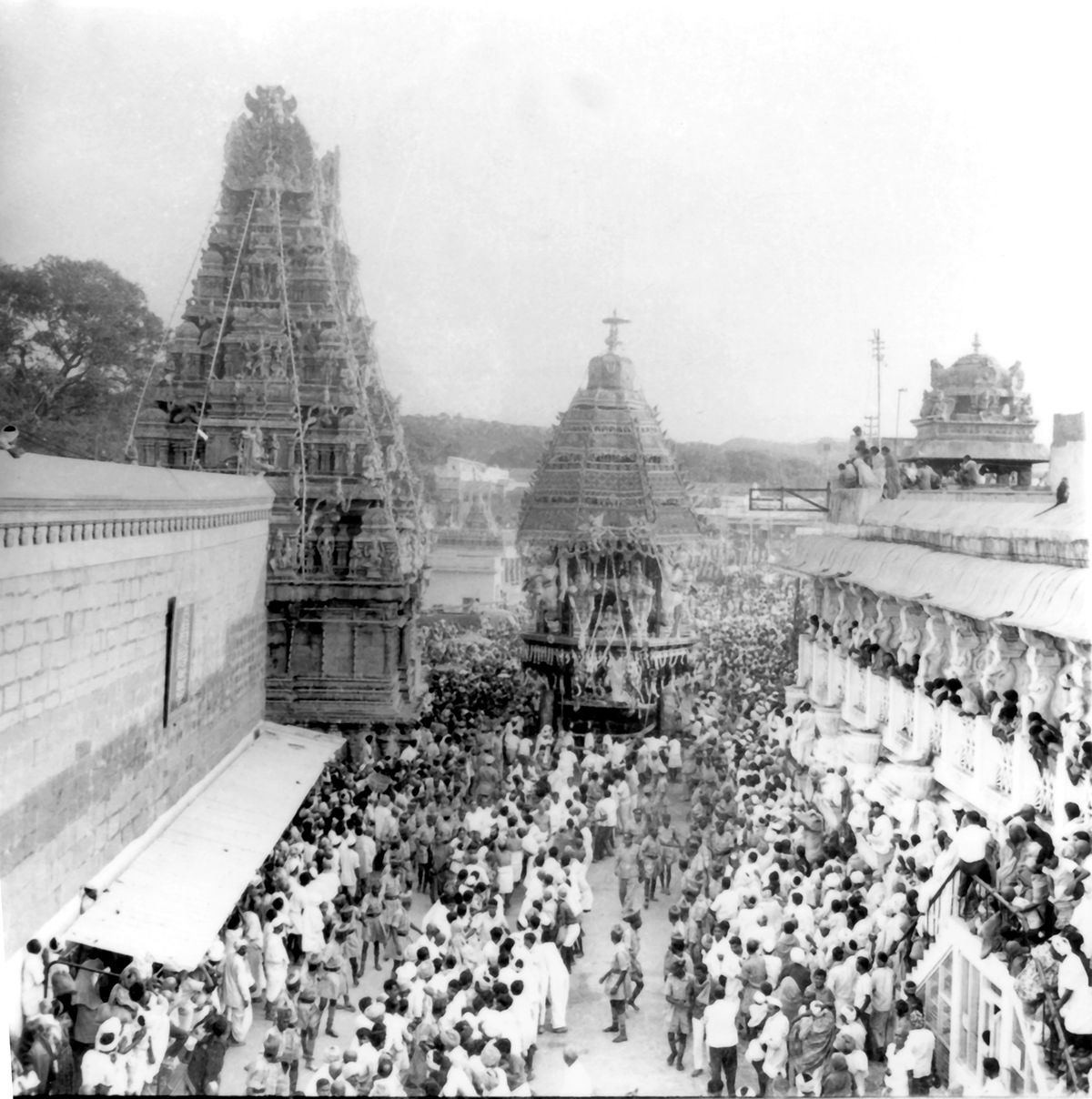
Tirupati, Trinet News, September 6: Brahmotsavams in Tirumala mean a grand festival where the seven hills resonate with devotion for nine days. From Dwajarohanam to Chakrasnanam, from morning and evening vehicle processions to the chanting of 'Govinda' by lakhs of devotees, the magnificence witnessed today did not take shape in a single day. The donations made by kings, queens, feudatories, officials, and devotees over centuries, along with temple administrative developments, Agama traditions, and seasonal festivals, have all shaped the present form of Srivari Brahmotsavams. Puranas are not the only basis for this history. Inscriptions carved on the walls of the Tirumala temple serve as the most valuable historical evidence for the evolution of this festival. Inscription volumes and historical texts published by TTD bring to light many interesting facts regarding this grandeur.
The Festival Conducted by Brahma: The origin of Srivari Brahmotsavams has a special narrative in the Puranic tradition. According to Puranic lore, Lord Brahma first conducted these festivals when Srinivas descended upon Venkatadri, which is why the festival came to be called 'Brahmotsavam'.
966 CE: A Crucial Milestone. Samavai Perundevi, a queen of the Pallava dynasty, presented a silver Bhoga Srinivasa Murthy idol to Lord Venkateswara. She donated lands for the conduct of festivals along with numerous ornaments. Her donation inscription is carved on the north wall of the first prakaram (enclosure) of the Tirumala temple. Based on this inscription, it is understood that Brahmotsavams were being organized systematically as early as the 10th century. Samavai made arrangements to conduct another Brahmotsavam in the month of Margashira, alongside the main Brahmotsavam in the month of Peratasi. The Bhoga Srinivasa Murthy donated by her heralded another important chapter in the temple's festival tradition.
From Two Festivals to Five Brahmotsavams: The tradition seen in the 10th century did not stop there. During the Chola period, the number of Brahmotsavams gradually increased. After Peratasi and Margali, the Panguni Brahmotsavam was attributed to the period of Yadavaraya feudatory Vira Narasimha Yadavaraya. In 1254, during the time of Chola king Vijaya Gandagopaladeva, the Chithirai Brahmotsavam was added. Between 1300 and 1330, under another Yadavaraya feudatory, the Adi Brahmotsavam was established. Thus, by the formation of the Vijayanagara Empire, five Brahmotsavams were being conducted annually in Tirumala—three established during the Chola period and two during the Yadavaraya period.
Vijayanagara Empire: The Golden Age of Festival Grandeur. During the periods of the Sangama, Saluva, Tuluva, and Aravidu dynasties, the number of festivals in the temple increased significantly. New Brahmotsavams were added during the Sangama dynasty, followed by more festivals during the Tuluva period. By the 15th century, the tradition reached a level where numerous Brahmotsavams were conducted annually in Tirumala. Toward the end of the Vijayanagara period, up to ten Brahmotsavams per year were recorded in inscriptions. Between 1539 and 1616, references to ten annual Brahmotsavams appear in inscriptions. This means that behind the practice of conducting one Brahmotsavam a year today (or two when an intercalary month occurs), lies a long history of once conducting multiple Brahmotsavams annually.
According to inscriptions, Sri Krishnadevaraya visited Tirumala for the first time on February 10, 1513. In 1513, he instituted a new Brahmotsavam in the month of Thai, his birth month. This indicates that his service was not limited to ornaments, structures, and gifts alone, but also extended to expanding the festive traditions of the Lord.
A New Chapter During Achyutaraya's Reign: Following Krishnadevaraya, royal patronage for the festivals continued during the reign of Achyutaraya. The first reference to the Kartika Brahmotsavam appears in 1533, and an inscription states that a donation was made for this festival in 1534. Historians believe that continuous donations to this festival during Achyutaraya's reign indicate it was established with royal encouragement. In 1539, under the leadership of Tallapaka Peda Tirumalayyangar, the Ani Brahmotsavam was established, increasing the number of annual Brahmotsavams once again. This highlights a key aspect of Tirumala's festival history: with new festivals added over time, some changing and others stopping, it developed as a living, evolving tradition.
Change of the Processional Deity: Another crucial milestone in the evolution of Tirumala Brahmotsavams is the change of the processional deity. Inscriptions reveal that Malayappa Swamy has been used as the processional deity since around 1339. The tradition of conducting wedding ceremonies and other festivals, including Brahmotsavams, for Malayappa Swamy along with Sridevi and Bhudevi was thus established. This is the historical background of the Sri Malayappa Swamy tradition that we witness in vehicle processions today.
From the Mahants' Era to TTD: The 19th century brought a major change in the administration of the Tirumala temple. In 1843, temple administration came under the control of the Hathiramji Math mahants. The rule of the mahants continued until 1933. With the formation of Tirumala Tirupati Devasthanams (TTD) in 1933, the mahants' administration ended, and the temples entered a new institutional administrative system. Subsequently, the system of conducting festivals of other temples alongside the Srivari temple under TTD's aegis was strengthened. From then on, the Brahmotsavam transformed from being merely a temple festival into a massive institutional program comprising various departments such as devotee convenience, accommodation, transport, security, medical services, Annaprasada, communication systems, and live broadcasts.