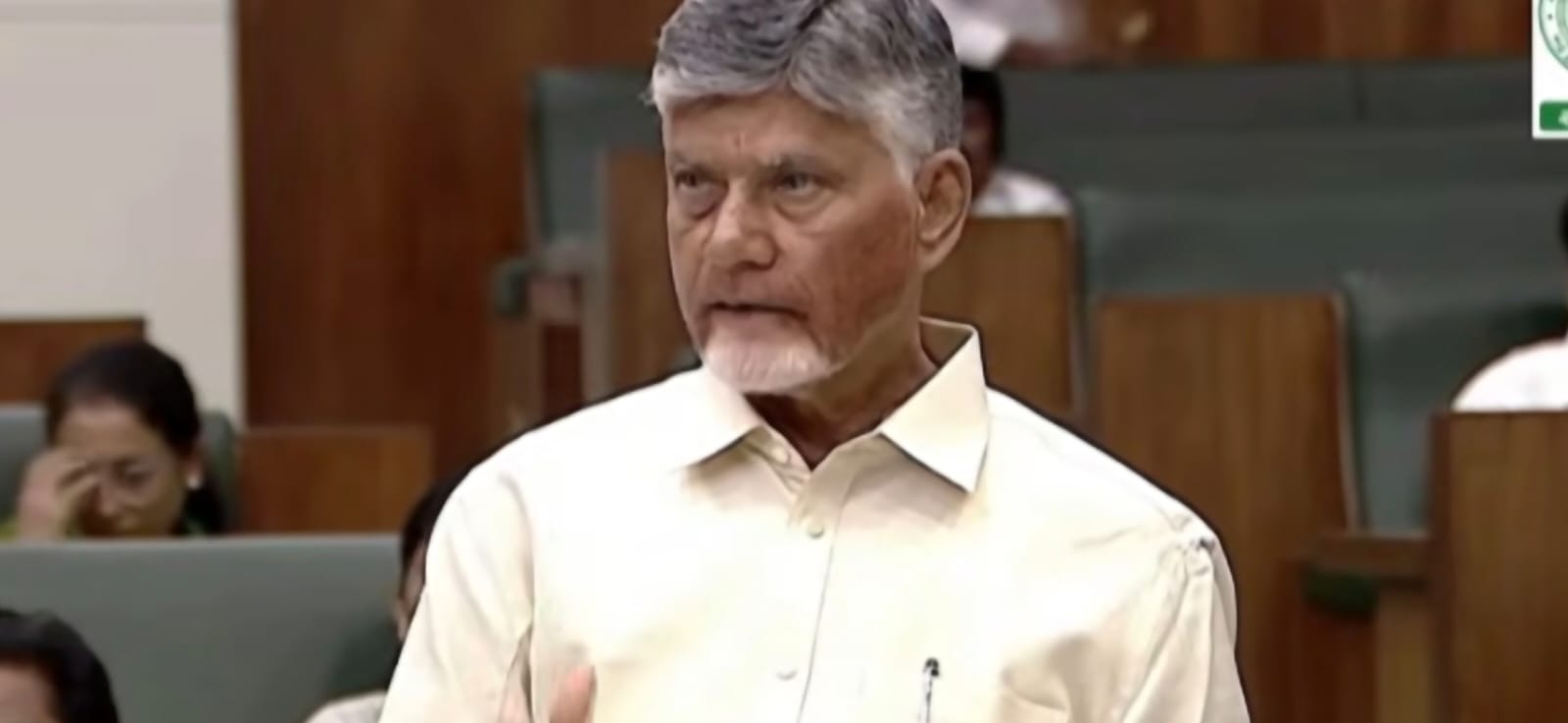
TRINET NEWS 19 AUGUST 2026 AMARAVATI: Chief Minister and Telugu Desam Party (TDP) national president N. Chandrababu Naidu has shifted his special focus to the local body election process in Andhra Pradesh. Keeping the upcoming local elections in mind, he reviewed the performance of party ranks, the party's strength at the grassroots level, leadership coordination, and candidate selection.
Local body elections are extremely crucial for political parties. Since leadership with direct public contact is elected to gram panchayats, mandal parishads, district parishads, and municipal bodies, every party treats these elections with high prestige. In this backdrop, Chandrababu is reportedly giving strategic direction to party leaders on how to prepare for the elections under the ruling alliance.
Strengthening the Party at the Grassroots Level
Party circles say Chandrababu believes that a strong grassroots framework is essential to maintain continuous engagement with the public in state politics. He is reportedly advising local leaders to ensure that the welfare and development programs implemented by the government are reaching the people. In local body elections, not just the party symbol, but also the candidate's personal reputation, public connect, and understanding of local issues will play critical roles. Therefore, the leadership intends to factor in public popularity, social equations, past service, and commitment to the party when selecting candidates.
Prioritizing Alliance Coordination
With the TDP, Jana Sena, and Bharatiya Janata Party forming the government in Andhra Pradesh, alliance coordination has become a major factor in the local body elections as well. Leaders from the three parties need to move forward through mutual discussions from the village to the district level. The party leadership intends to resolve minor local differences through prior discussions to prevent them from escalating into major problems during elections. The primary objective appears to be preserving alliance unity while putting forward candidates with strong winning prospects.
Development Programs as the Main Campaign Agenda
Chandrababu is reportedly instructing party leaders to take the government's development initiatives directly to the public. Issues such as roads, drinking water, irrigation, education, health, sanitation, rural infrastructure development, and employment are likely to be prominently featured in the local election campaign. The government believes that rural development can be accelerated only when local bodies function robustly. The role of elected representatives is vital in delivering necessary services to people swiftly at the panchayat, mandal, and district levels. Hence, the party leadership wants the local elections to be viewed not merely as a political contest, but as an agenda for development.
Focus on Leaders' Performance
Ahead of the local body elections, Chandrababu is reportedly emphasizing the assessment of the party's standing constituency-wise, reviewing leaders' performance, and gathering public feedback. He is guiding the party ranks to start grassroots preparations well in advance rather than waiting until the last minute. The leadership particularly aims to identify and resolve local issues by conducting regular meetings with party workers at the village and mandal levels.
Countering Opposition Strategies
Opposition parties are also attempting to boost their strength for the local body elections. While the Yuvajana Sramika Rythu Congress Party (YSRCP) is likely to try and retain its traditional stronghold at the village level, other political parties will also seek to mark their presence. Given this, the ruling alliance leadership does not want to take the elections lightly and aims to evaluate the political situation in every constituency. Public sentiment toward the government, the popularity of local leaders, and the activeness of party workers at the grassroots will influence the election results.
People's Verdict is Final
Local body elections are held closest to the people. Compared to assembly and parliamentary elections, local polls place greater emphasis on a candidate's personal acquaintance, community service, family ties, and awareness of local issues. Consequently, selecting candidates who command public trust will be a major challenge for political parties. While the ruling party's governance record will be a key factor, taking the government's failures to the public will be the main agenda for the opposition.
Chandrababu's Proactive Strategy
Chandrababu's review holds significant political weight ahead of the local body elections. His focus is expected to span strengthening the party's organizational machinery across the state, enhancing coordination among alliance partners, selecting suitable candidates, and taking government development programs to the public. The ruling alliance believes that strong leadership in local bodies will ensure government schemes reach the people more effectively.
On the other hand, voters will assess who genuinely works for the development of their region before casting their ballots. Ultimately, the local body elections will serve as a litmus test for the ruling alliance and an opportunity for the opposition to shore up its political foundation. Through these reviews, Chandrababu appears to be shaping a strategy to prepare the party machinery for elections right from the grassroots to the state level, moving forward with absolute coordination.